Multigenerational Homes: Making It Easy for Grandparents to Join Family Collaboration
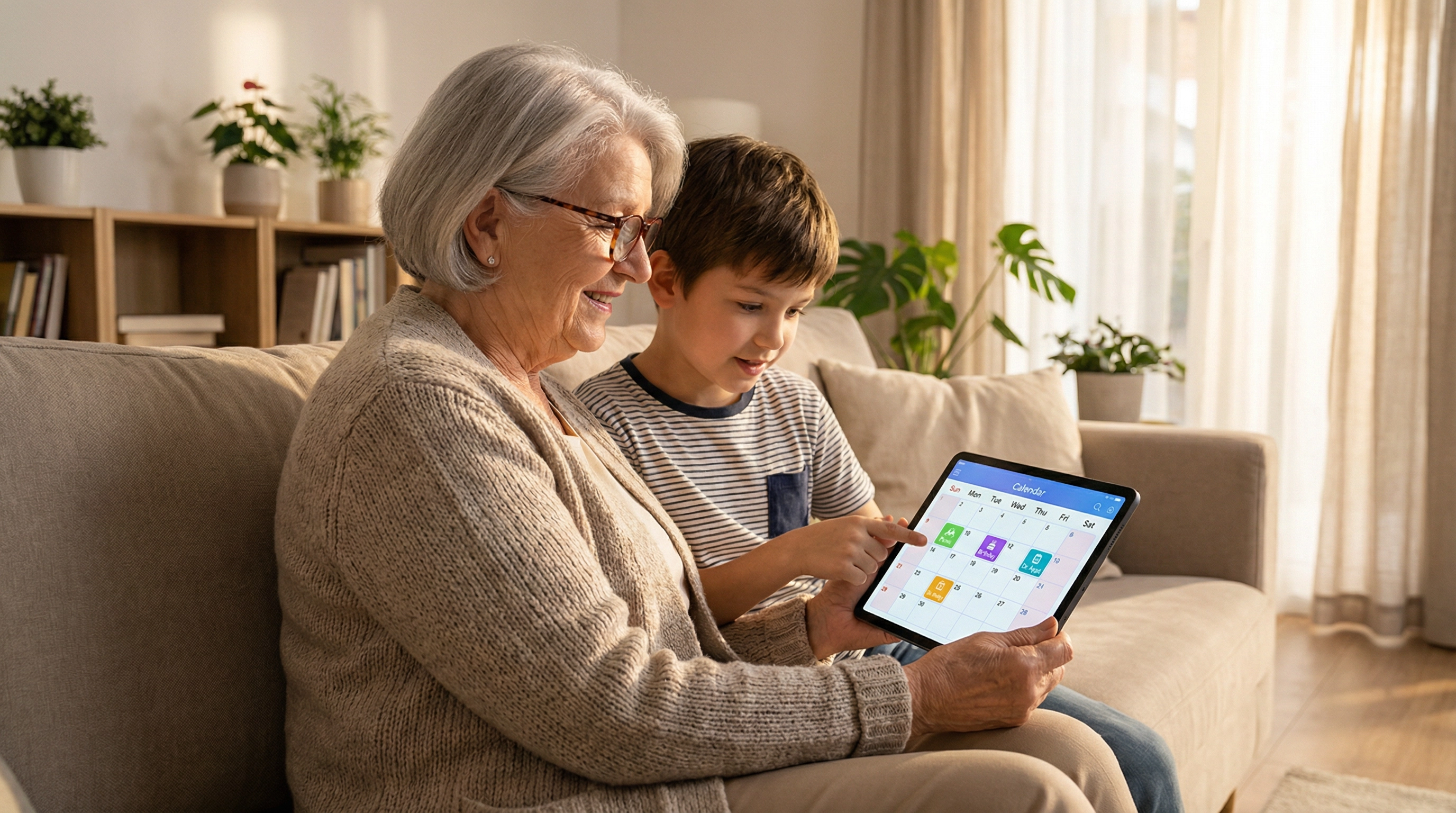
1. The Growing Trend of Multigenerational Living in America
Living with your parents and kids under one roof isn't just practical—it's becoming the new normal. Recent years have witnessed a remarkable shift in household arrangements across the country. What was once considered old-fashioned has emerged as a modern solution.
The numbers tell a compelling story. More families are embracing shared living spaces where grandparents, parents, and children coexist daily. This isn't a temporary blip but a sustained trend reshaping American home life.
Several powerful forces are driving the rise of multigenerational households. Rising housing costs have made homeownership increasingly difficult for younger families. Meanwhile, aging parents need more support, and childcare expenses continue climbing.
These economic realities push families to pool resources and share space. But the motivation behind multigenerational living extends beyond finances. Many families rediscover the emotional benefits of staying close.
Grandparents offer wisdom, life experience, and an extra set of helping hands. Parents gain built-in childcare and elder care support. Children develop deeper relationships with their grandparents that wouldn't happen with monthly visits.
Keeping everyone informed becomes essential—and complicated. The coordination puzzle intensifies when you consider different comfort levels with technology. While parents and kids navigate smartphones effortlessly, grandparents may struggle with complex apps.
They've discovered that living together offers advantages no amount of texting can replicate. Yet they also recognize that making this arrangement work smoothly requires effective communication tools. Everyone—regardless of age or tech experience—needs to actually use them.
2. Why Most Family Apps Leave Grandparents on the Sidelines
Modern apps offer great features for managing family life. But they often overlook the needs of grandparents. These digital tools have calendars, shopping lists, and messaging features built for younger users.
The problems start with the basics. Tiny text fills the screen, making it hard for older adults to read. Buttons crowd together in cluttered interfaces that require precision tapping.
Navigation menus hide behind icons that don't make sense to non-smartphone natives.
These technology barriers create real consequences in daily life. Consider Margaret, a grandmother who wanted to add her book club to the calendar. She opened the popular app her daughter installed and tapped through three different screens.
She still couldn't figure out how to create an event. After twenty frustrating minutes, she gave up. She called her daughter instead.
Think about Robert, a grandfather who missed his grandson's basketball game. The notification came through on his phone, but he didn't see it. By the time he checked his device that evening, the game had ended.
These scenarios happen in households across America every single day. Families download well-reviewed apps with excitement, hoping to coordinate everyone's schedules. Within weeks, the grandparents have quietly stopped using them.
The issue isn't that older generations can't learn technology. The problem is that most apps require too many steps for simple tasks. Adding a doctor's appointment shouldn't involve navigating five menus and selecting from tiny dropdown lists.
A simple calendar for elderly family members needs a fundamentally different approach. Many seniors try their best to keep up. They ask their adult children for help repeatedly.
They write down instructions on paper. But eventually, the frustration builds. They feel like they're bothering their busy families or somehow failing at something easy.
The truth is that family tech for seniors shouldn't require a computer science degree. The disconnect grows wider as families become more reliant on these apps. Important information gets shared only through the digital platform.
Grandparents miss birthday parties and doctor appointments they offered to attend. They lose opportunities to help with carpools. They want to contribute and stay involved, but the technology actively prevents their participation.
This isn't about adding more features. It's about building accessible tools that truly work for every generation. A simple calendar for elderly users deserves to keep them connected with their families.
3. Simple Calendar for Elderly: Nori as an Easy Family Organizer for Every Generation
Nori was built on a simple belief: family coordination tools should bring everyone together. Other apps chase younger users with complicated features. Nori takes a different approach.
This easy family organizer was designed from the ground up with grandparents at the center. Technology fades into the background. What remains is genuine connection across generations.
Every feature serves one purpose—making it effortless for families to stay coordinated. Age and tech experience don't matter here. Nori understands that a true simple calendar for elderly family members means more than bigger buttons.
It requires rethinking how people interact with technology at every level. From visual design to communication channels, accessibility shapes every choice.
Nori's interface prioritizes clarity over flashy design trends. Large, high-contrast text ensures that appointments and reminders are instantly readable. No squinting at tiny fonts or struggling with low-contrast color schemes.
The calendar layout uses generous spacing between entries. This prevents accidental taps and reduces visual clutter. Each event displays essential information at a glance—date, time, and activity.
Color coding helps distinguish between different types of events without requiring users to read fine print. Medical appointments appear in one color, family gatherings in another. This visual system works intuitively, even for those who rarely use smartphones or computers.
3.1.2. Phone Call Reminders That Work With Any Device
Here's where Nori truly stands apart. The platform offers automated phone call reminders that reach grandparents on any device they already own. No smartphone required.
No app download needed. Just a regular phone call to the landline or basic cell phone they've used for years.
These voice reminders deliver event details in clear, natural-sounding speech. Grandma hears about Tuesday's doctor appointment or Thursday's family dinner in plain English. She can even confirm receipt by pressing a button on her phone keypad.
Family members set up these reminders through their own smartphones or computers. Once configured, the system runs automatically. Adult children can ensure their parents receive important notifications without requiring them to learn new technology.
3.1.3. Simple Voice Commands for Easy Updates
Nori also supports voice-based calendar updates for those who find typing challenging. Grandparents can call a dedicated number and speak their schedule changes naturally. The system understands common phrases like "I have a dentist appointment next Monday at two."
This voice interface removes barriers that stop many seniors from actively participating in family coordination. No need to struggle with tiny keyboards or autocorrect frustrations. Just speak, and the easy family organizer handles the rest.
Behind the scenes, family members can review and approve these voice entries if needed. This optional oversight provides peace of mind while still empowering grandparents to manage their own schedules. The system respects their independence while offering support when wanted.
Together, these features create a truly inclusive platform. Nori doesn't just accommodate different generations—it actively brings them together. Family coordination becomes what it should be: a tool for connection, not another source of frustration.
4. How the Thompson Family Brought Grandma Into the Loop
Sarah Thompson faced a common problem after her mother Betty moved in last year. Despite living under the same roof, Betty often missed her grandchildren's activities. The family used a complex calendar app that Betty couldn't navigate on her smartphone.
Betty felt disconnected when she missed Emma's soccer games. She couldn't add her weekly bridge club without asking for help. The situation made her feel like a burden instead of a valued family member.
Everything changed when Sarah discovered Nori as family tech for seniors. Betty received her first phone call reminder about Emma's school play. The clear voice told her the date, time, and location.
No apps to open. No tiny text to read.
Betty felt independent again when she used a simple voice command to add her doctor appointment. Sarah manages the kids' schedules from her phone. Marcus blocks out his work travel.
Betty stays informed through phone reminders while contributing her own plans.
The emotional impact went beyond scheduling. Betty surprised her grandson at his baseball game because she actually understood the reminder. She even told Sarah she already knew about family dinner from her phone call.
Sarah realized Nori solved more than logistics. The system helped keep grandparents connected to daily family life. Betty feels valued and included in the family's rhythm.
FAQ
Will my grandparents really be able to use a digital calendar system on their own?
Absolutely! Nori was specifically designed with grandparents in mind. Unlike typical apps, Nori uses phone call reminders that work with any phone—even basic landlines. Your grandparents receive friendly voice reminders about family events without opening apps or reading tiny text. They can add their own appointments using simple voice commands. This makes it truly accessible for seniors who may not be comfortable with smartphones.
What if my grandparent doesn't have a smartphone or internet access?
That's one of Nori's biggest advantages for multigenerational living! Your grandparent doesn't need a smartphone, data plan, or internet access to stay connected. Nori calls any phone number—landline or cell phone—to deliver reminders in a clear, friendly voice. Even grandparents who prefer traditional phones can participate fully in family coordination. They won't feel pressured to adopt technology they're not comfortable with.
Can I add calendar entries for my grandparents, or do they have to do it themselves?
You can definitely add calendar entries on behalf of your grandparents! This makes Nori an easy family organizer that's flexible for different comfort levels. You might add your grandmother's doctor appointments so everyone knows her schedule. She'll receive phone call reminders about those appointments automatically. If she wants to add her book club herself using voice commands, she can do that too. It's all about giving families options that work for their unique situation.
How does Nori help keep grandparents connected to grandchildren's activities?
Nori keeps grandparents connected by ensuring they receive clear, timely reminders through phone calls they can't miss. Add your daughter's soccer game or your son's school concert to the family calendar. Your parents automatically get a friendly phone reminder with all the details—date, time, and location. Grandparents don't have to remember to check an app or worry about missing push notifications. They're included in the family's rhythm just like everyone else. This makes it easier for them to show up for those precious moments.
Is the phone call reminder feature annoying or intrusive for seniors?
Not at all! Families consistently tell us that grandparents actually prefer phone call reminders because they feel personal and respectful. The voice is friendly and clear, the calls come at reasonable times. The information is delivered in plain language that's easy to understand. Unlike text notifications that pile up unread, a phone call gets attention without being overwhelming. Grandparents appreciate this straightforward communication method that fits naturally into their daily routines.
What makes Nori better than just texting grandparents about family events?
Texting can work, but it puts the coordination burden on one person to remember every event. With Nori as your family tech for seniors, the system automatically keeps everyone synchronized. Once an event is added, all family members—including grandparents—receive appropriate reminders automatically. This means less work for you and more reliable communication for everyone. Phone call reminders are often easier for seniors to notice than text messages they might not see.
Can grandparents use voice commands even if they're not tech-savvy?
Yes! Nori's voice commands are designed to be conversational and natural, not technical. Your grandparent doesn't need to learn specific phrases or memorize commands. They simply speak naturally about what they want to add—like "I have a doctor appointment next Tuesday at 2 PM." Nori understands and adds it to the family calendar. It's much more like having a conversation than using technology.
Will this simple calendar for elderly family members have enough features for the rest of us?
Definitely! Nori is designed to serve the whole family, not just grandparents. While it prioritizes accessibility to include seniors, it still offers all the functionality busy families need. Tech-comfortable family members can use the smartphone app to quickly add events and view the calendar. They can set up recurring activities and manage complex schedules. The beauty of Nori is that it offers sophisticated features while keeping the core experience simple.
How do I set up Nori for my multigenerational household?
Setting up Nori for multigenerational living is straightforward! You'll create a family account and add family members, including your grandparents. For each grandparent, you simply provide their phone number—landline or cell. They'll start receiving reminders through phone calls automatically. You can customize reminder timing and decide which events they should be notified about. The whole process takes just a few minutes, and you can adjust settings anytime.
What if my grandparent has hearing difficulties or needs reminders repeated?
Nori's phone call reminders are designed with clarity in mind, using a voice that speaks slowly and clearly. If your grandparent has hearing challenges, they can listen to the reminder multiple times during the call. You can also adjust reminder timing to ensure they receive calls when they're most likely available. For grandparents with significant hearing loss, family members can still benefit from having grandparents' schedules visible. This makes coordination easier even if the phone reminders are challenging.
Can multiple grandparents in the same household each receive personalized reminders?
Absolutely! If your family includes both grandparents living with you, each can have their own phone number registered. Each will receive personalized reminders based on their individual schedules. Grandma might get reminders about events she's specifically involved in, while Grandpa receives reminders about his appointments. Or both can receive reminders about shared family events. This flexibility makes Nori work beautifully for complex multigenerational homes.
Does using Nori require my grandparents to give up their paper calendar or planner?
Not at all! Many grandparents love their paper calendars and planners, and Nori doesn't require them to give up what works. In fact, many families find that Nori complements paper systems perfectly. Your grandparent receives a phone call reminder about a family event and can write it in their paper planner. The benefit is that they're receiving accurate, timely information from the family's master calendar. Their paper records stay current without anyone having to manually update them.