The Next Step in Home Automation: From Smart Homes to Smart Life Management
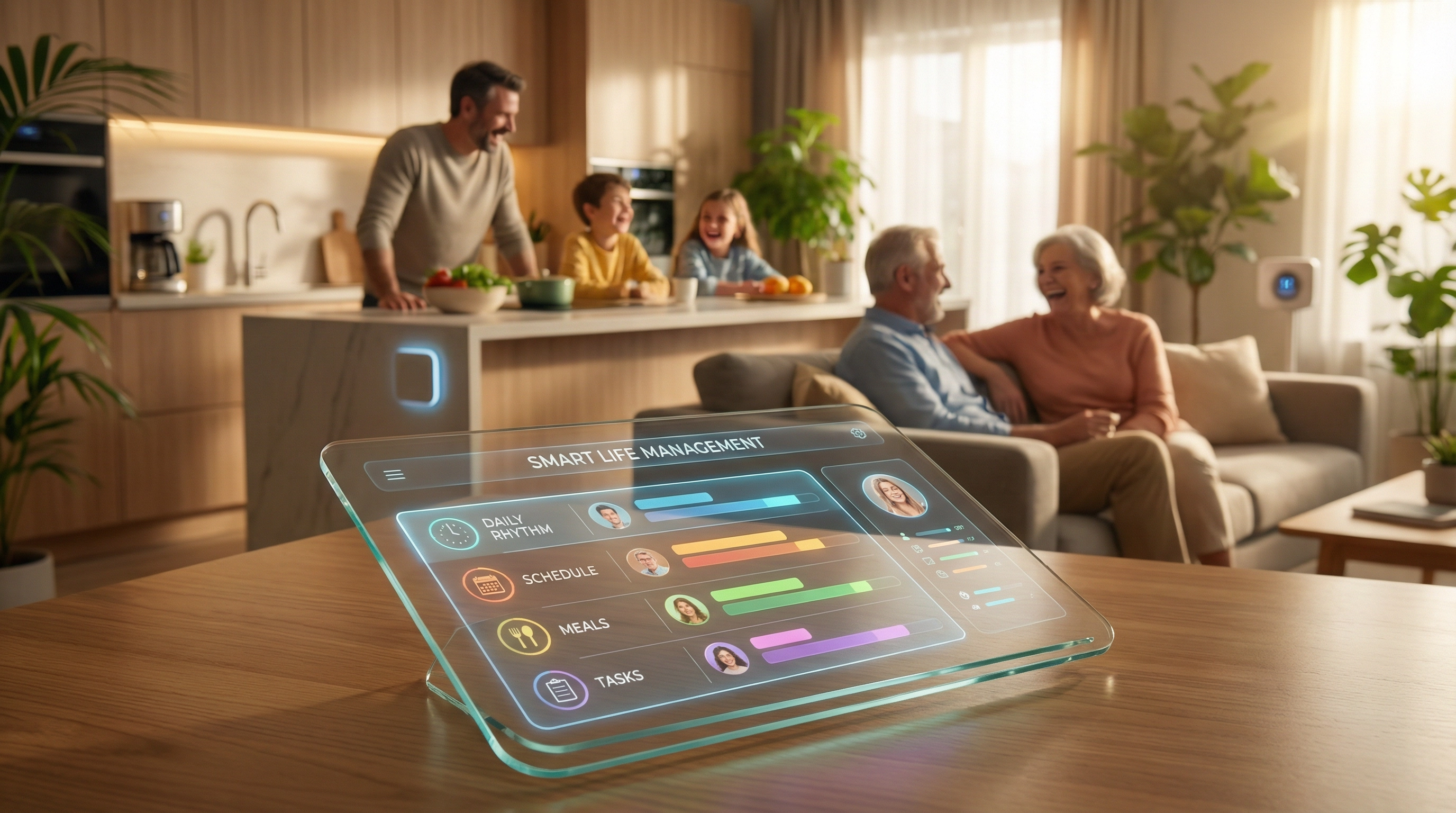
We're standing at an exciting threshold. Home automation isn't just about managing your physical environment anymore. It's about orchestrating the complex dance of modern family routines. The era of smart life management has arrived. This evolution goes beyond simple device control. It's about technology that understands your needs and anticipates your schedule. Automation is transforming from controlling lights and temperature to managing your entire household rhythm. The journey ahead is both natural and thrilling.
1. Why Current Smart Homes Fall Short of True Automation
The promise of automation sounded revolutionary. Most smart homes today deliver convenience without truly simplifying life. Technology can respond to voice commands and adjust our environment automatically. Yet something fundamental is missing from this picture.
Most smart home technology operates in silos. Your smart thermostat doesn't communicate with your calendar to know you're leaving town. Your video doorbell can't coordinate with your schedule to expect the grocery delivery. Your smart lighting system has no awareness of your family's evening activities. Each device functions independently, creating islands of automation rather than a connected ecosystem.
The real challenge isn't controlling devices—it's coordinating life. Modern families juggle multiple calendars with overlapping appointments and conflicting schedules. They manage endless task lists and plan meals for different dietary preferences. These organizational challenges create the real friction in daily life. Yet first-generation smart home products barely address them.
Picture Sunday evening as families prepare for the week ahead. Someone needs to plan meals and create shopping lists. They review the family calendar, assign household tasks, and ensure everyone knows their commitments. This mental load remains entirely manual despite living in a "smart" home. Meal planning happens through recipe websites or old cookbooks. The mental energy required to maintain this system is exhausting. And smart bulbs offer no relief.
This gap reveals what's truly needed. Technology must move beyond smart home functions to actually manage our daily lives. We need systems that understand context, anticipate needs, and coordinate complex family logistics. That's where the real automation opportunity exists—not in dimming lights. The next evolution requires thinking beyond smart home devices toward comprehensive life management solutions.
2. Smart Life Management with the Nori AI Home Assistant
Imagine having a personal assistant who knows your family's schedule, preferences, and needs before you do. That's exactly what Nori brings to your household. This ai home assistant represents a complete rethinking of what home automation should accomplish.
Nori serves as a unified platform that brings together all the scattered pieces of family management. No more juggling separate apps for calendars, grocery lists, meal planning, and task management. Everything lives in one intelligent system designed for smart life management.
But here's where Nori truly shines—it doesn't just store your information. It actively helps you manage it. The platform understands how different parts of your life connect to each other. Say you have soccer practice on Tuesday evening. Nori recognizes that a quick crockpot meal might make more sense than an elaborate dinner. This intelligence layer makes all the difference. Nori learns your family's patterns, preferences, and rhythms over time. It becomes increasingly helpful and proactive as it understands what works for your household.
The real magic happens through integration. Your meal plan automatically influences your shopping list. Your calendar informs your daily briefing. Your tasks align with your available time slots. Everything talks to everything else seamlessly.
Consider how this works in practice. You schedule a family gathering for Saturday afternoon. Nori notices this on your calendar and can suggest meal ideas appropriate for entertaining. It adds necessary ingredients to your shopping list. It reminds you to clean the guest bathroom a day before. This is smart life management in action.
The system also coordinates family members' activities to minimize conflicts. If your daughter has a project due Monday and your son has baseball practice Saturday morning, things get busy. Nori can help schedule homework time that doesn't clash with other commitments. This proactive approach transforms daily living. Instead of waiting for you to remember everything, the ai home assistant anticipates what you'll need. It offers suggestions based on what's happening in your life right now.
Modern family life is complex and interconnected. Nori recognizes this reality and offers an integrated solution rather than a collection of isolated tools. This represents the evolution from reactive device control to proactive life orchestration. The platform grows smarter as your family uses it. Every interaction helps Nori understand your preferences better. It learns which suggestions you find helpful and which ones you dismiss. What makes this different from other automation attempts? Nori focuses on the human side of technology. It's built around how families actually live, not just how engineers think they should live.
3. A Day with Nori: Experiencing Intelligent Home Management
Let's walk through a typical Wednesday with the Johnson family. See how their ai home assistant transforms daily life. This seamless experience is already helping families everywhere with Nori.
The alarm goes off at 6:30 AM. As the family gathers for breakfast, Nori provides a personalized daily briefing. This goes far beyond reading the weather forecast. "Good morning! Sarah has soccer practice at 4 PM today—her cleats are in the garage. Tom, your meeting runs until 6:30 PM, so dinner is planned for 7 PM. Don't forget, you have a dentist appointment at 2 PM." This isn't just calendar recitation. Nori synthesizes information and highlights what actually matters. The family knows exactly what to prepare for and how the day will flow.
Mid-morning arrives, and Mom is working from home. Around 10 AM, Nori sends a friendly notification. "Tonight's planned meal is teriyaki chicken, but you're out of fresh ginger. Would you like me to add it to your shopping list? Or would you prefer an alternative recipe using what's already in the pantry?" The choice is hers, but the mental load of remembering ingredients is gone. Nori anticipated the need before it became a problem.
During lunch, Nori notices something interesting. Tomorrow's schedule is packed with back-to-back commitments. The intelligent assistant proactively suggests moving Friday's library book return to Saturday. It also recommends switching tomorrow's complex meal plan to something simpler. This helps given the time constraints. These aren't commands—they're thoughtful suggestions that help the family make better decisions. The system understands context and adapts to real life.
Late afternoon rolls around at 3:45 PM. Nori sends a timely reminder about Sarah's soccer practice starting in 15 minutes. "Traffic on Route 9 is heavier than usual—consider leaving five minutes early." Mom grabs Sarah's water bottle and cleats. They head out with time to spare.
Evening arrives after a busy day. As the family winds down around 8 PM, Nori provides a gentle preview of Thursday. "Tomorrow starts early with Sarah's school project presentation at 8 AM. The morning will be rushed, so consider prepping lunches tonight. The leftover teriyaki chicken would work perfectly for tomorrow's lunch boxes."
Throughout this entire day, the Johnson family didn't spend time managing their ai home assistant. They didn't input commands or check multiple apps. Nori managed the details so they could focus on living their lives. The difference is profound. Instead of reactive scrambling, the family experiences proactive support. Instead of mental exhaustion from tracking everything, they have cognitive freedom. This is what intelligent home management actually looks like in practice. It's seamless, anticipatory, and genuinely helpful. The beauty of this system is its invisibility. Technology fades into the background while life moves to the foreground. Forgotten items, missed appointments, and mealtime stress become rare exceptions.
4. Your Family's Operating System for Modern Life
We're standing at a turning point in how families manage their lives. The first wave of smart homes showed us connected devices. The next wave connects something far more valuable: your time, tasks, and daily routines.
Think of Nori as your family's operating system. Your phone runs on iOS or Android, managing everything seamlessly in the background. Nori works the same way for your household. This integrated family platform coordinates all the moving pieces of modern life. It doesn't require constant input from you. The transformation is significant.
Instead of serving as the connection point between disconnected apps, you hand that role to Nori. Technology manages the details for you now. This shift frees your family to focus on what truly matters. Smart life management represents the real future of home automation. It's about people, not just devices. It addresses the actual challenges families face every day.
Nori invites you to experience a better way of organizing daily life. Technology reduces stress and returns precious time. It helps you connect with the people you love. Explore how this integrated family platform can transform your household. Your home becomes a smoothly running operation. It practically manages itself.
FAQ
What exactly is smart life management, and how is it different from a regular smart home?
Smart life management goes beyond controlling devices like lights and thermostats. Traditional smart homes focus on your physical environment. Smart life management addresses organizational challenges families face daily—coordinating schedules, planning meals, managing tasks, and syncing activities. It's the difference between technology that controls your house and technology that helps orchestrate your family's life. Nori integrates calendars, meal planning, shopping lists, and task management into one intelligent platform. It proactively supports your daily routines.
How does Nori actually help with my daily routine?
Nori acts as your family's personal assistant throughout the day. In the morning, it provides a coordinated briefing of everyone's schedule with helpful reminders. During the day, it sends timely notifications—such as reminding you to pick up missing ingredients for tonight's dinner. In the evening, it previews tomorrow's activities and suggests preparations. Unlike traditional smart home devices that wait for commands, Nori anticipates your needs. It actively manages the details so you don't have to.
Is Nori difficult to set up and use?
Nori is designed to be the opposite of complicated. Rather than juggling multiple apps, you have one unified platform. The AI learns your family's patterns and preferences over time, becoming increasingly helpful without requiring constant input. Instead of you managing technology, Nori manages the details of your family life. The goal is to simplify your daily experience, not add another complicated system to maintain.
What does it mean that Nori is a "family operating system"?
Just as iOS or Android manages all the apps on your phone seamlessly, Nori serves as the operating system for your family's daily life. It coordinates all the moving pieces—schedules, meals, tasks, shopping—connecting all your information streams. Instead of family members serving as the integration point between multiple disconnected apps, Nori becomes that integration point. This frees you to focus on actually living rather than constantly coordinating logistics.
Can Nori really understand my family's unique needs and preferences?
Yes! Nori's AI learns your family's rhythms, preferences, and patterns over time. It understands connections that matter to your specific situation—like knowing that Tuesday soccer practice means you need a quick dinner option. It recognizes your dietary preferences for meal suggestions and learns which tasks typically happen on which days. This isn't generic automation; it's personalized intelligence that adapts to how your family actually lives.
What happens if my schedule changes unexpectedly during the day?
Nori's intelligence shines in these moments. It can proactively suggest adjustments—like moving a less urgent task to a lighter day. It might recommend a simpler meal if time becomes tight, or alert other family members to conflicts that arise. It's not rigid automation that breaks when life happens. It's flexible, intelligent support that adapts to the reality of modern family life, where change is the only constant.
How does Nori help with meal planning specifically?
Nori integrates meal planning with your family's schedule and preferences. It can suggest appropriate meals based on your calendar—recommending a crockpot meal when you have evening activities. It automatically adds necessary ingredients to your shopping list and can send reminders if you're missing something. Nori understands that meal planning isn't separate from the rest of your life. It's connected to your time, your family's activities, and what's already in your pantry.
Will Nori work with the smart home devices I already own?
Nori represents the next evolution in home automation, focusing on managing your family's life rather than just controlling devices. Traditional smart home devices handle your physical environment—lights, temperature, locks. Nori addresses the organizational challenges those devices don't touch—coordinating schedules, planning meals, managing tasks, and syncing family activities. Think of Nori as complementary to your existing smart home setup, adding intelligent life management to your connected home.
How does Nori reduce the mental load of managing a family?
The mental load of remembering everyone's schedules and coordinating activities is exhausting. Planning meals, tracking tasks, and ensuring nothing falls through the cracks adds to the burden. Nori takes on this cognitive burden by serving as the central coordination point. It remembers the details and makes the connections, like linking meal plans to schedules. Instead of constantly juggling information in your head and across multiple apps, you have one intelligent assistant managing the complexity.